
Currently Empty: $0.00
-8%

OEM Defibtech DDP-2002 pediatric AED replacement pads for the Lifeline VIEW. For children under 8 or 55 lbs. FDA-cleared. In stock – ships fast & free from AEDLAND.
Free Shipping
Guaranteed Lowest Prices
-9%

OEM Defibtech pediatric AED pads for children under 8 or 55 lbs. Compatible with Lifeline & AUTO AEDs. 2.5-year shelf life. Fast shipping from AEDLAND.
Fast Free Shipping
Best Expiration Dates
Lowest Prices
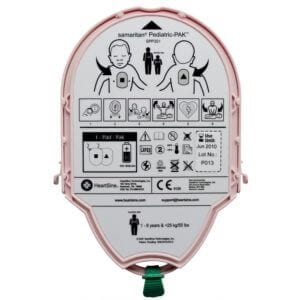
Product Overview – PAD-PAK Battery and Electrode Cartridge The HeartSine PAD-PAK 11516-000004 is a combination battery and electrode cartridge for use with compatible HeartSine Samaritan AED models. This self-contained unit simplifies AED maintenance by integrating the power source and pads into a single, replaceable cartridge. It is designed for ...
$232.99
Buy Now
-5%
✓ FREE Shipping
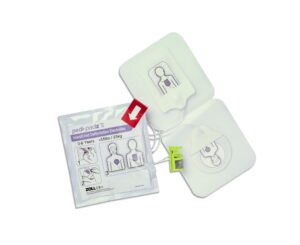
Manufacturer: Genuine ZOLL® Medical
OEM Part Number: 8900-0810-01
✓ Guaranteed Fresh Expiration Dates
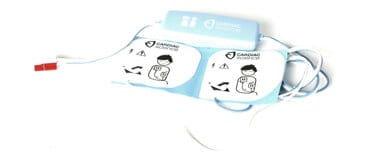
Free Shipping on 9730 002
Verified Lowest Internet Price
$117.00
Buy Now
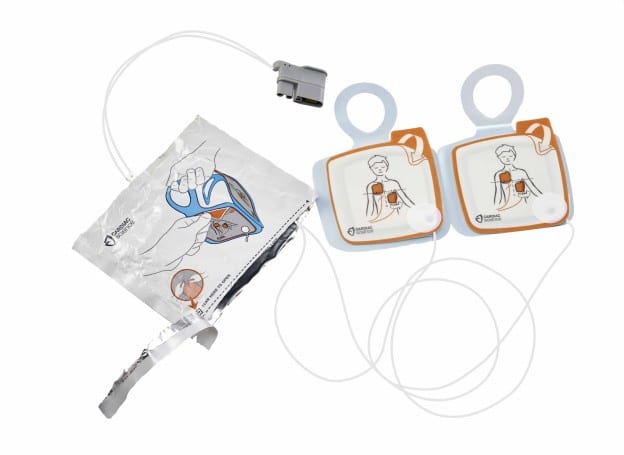
Official Cardiac Science pediatric AED pads, model XELAED003A, for use with Powerheart G5 AEDs. Designed for children under 8 or 55 lbs. Pre-connected, Intellisense pediatric pads with 2-year shelf life. FREE SHIPPING
$127.00
Buy Now

📦 IN STOCK & SHIPS FREE VIA FEDEX
Unlock our hidden in-cart pricing!
Apply Code: SAVE in cart to reveal your instant savings.
The #1 Pediatric Replacement Pads for Philips HeartStart AEDs.
Secure genuine OEM Philips Infant/Child Smart Pads for your HeartStart OnSite or Home defibrillator. Essential for schools, daycares, and pediatric clinics, ...
$139.00
Buy Now
-14%
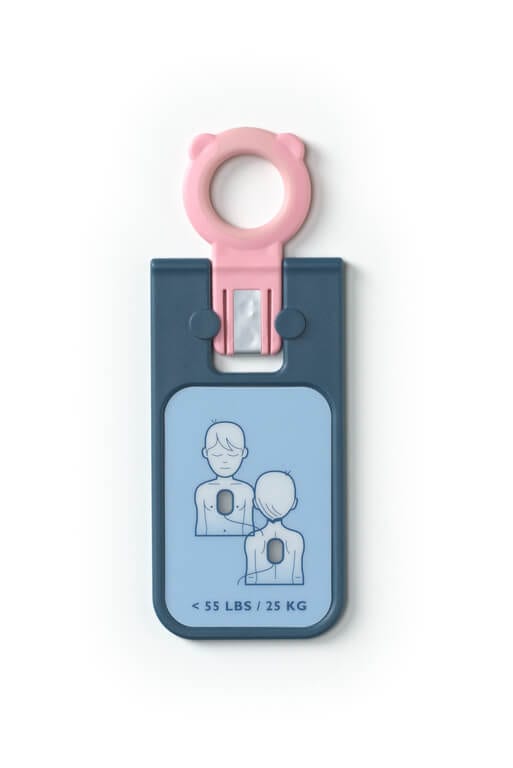
✅ IN STOCK & SHIPS FREE TODAY
OEM Part # 989803139311 (Genuine Philips)
Never Expires: Reusable key has an unlimited lifespan.
Saves Money: Eliminates the need for disposable pediatric pads.
Function: Safely lowers shock energy for children under 55 lbs.
Compatibility: Fits Philips HeartStart FRx (861304) ONLY.
🛡️ Philips Authorized Distributor
🇺🇸 Made in USA
⚕️ FDA ...
Showing all 8 results
Ensure life-saving readiness for young patients with our full selection of FDA-cleared pediatric defibrillation pads, child electrode pads, and pediatric keys. Designed specifically for infants and children under 8 years of age or weighing less than 55 pounds (25 kg), these pediatric electrodes reduce defibrillator shock energy to levels safe for a child’s heart during sudden cardiac arrest.
Choosing the Right Pediatric Pads for Your Device
Different AED brands manage pediatric energy reduction differently:
Dedicated Pediatric Pads: Devices like the Defibtech Lifeline and Physio-Control LIFEPAK use specialized child pads with built-in resistors that drop the shock from adult levels (150–200 joules) down to child-safe levels (around 50 joules).
Pediatric Keys & Activators: Units like the Philips HeartStart FRx use an infant/child key plugged directly into the machine, which automatically lowers the shock level while using the standard adult pads.
Universal Dual-Function Pads: Models like the ZOLL AED 3 use smart pads that work on both adults and children, switching shock levels and CPR prompts at the push of a button.
How to Place Pads on a Child or Infant
Because infants and young children have smaller chests, placing both pads on the front can cause them to touch. Always use the front-and-back placement:
Place one pad in the center of the child’s bare chest between the nipples.
Place the second pad in the center of the child’s upper back between the shoulder blades.
Frequently Asked Questions
Can you use adult AED pads on a child?
Yes, but only if pediatric pads or a child key are unavailable. The American Heart Association recommends using adult pads rather than withholding treatment. If you must use adult pads on an infant or small child, place one on the center of the chest and the other on the back so the pads do not touch or overlap.
How long do pediatric AED pads last before expiring?
Most pediatric pads expire within 2 to 2.5 years from their manufacture date. Over time, the moisture in the conductive gel dries out, which prevents the pads from sticking properly and conducting electricity. Check the expiration dates printed on your packages regularly to make sure they are always ready for an emergency.