
Currently Empty: $0.00
-6%

OEM Defibtech Lifeline AED Battery – Model DCF-210 / DBP-28007-Year Shelf Life from date of installation Compatible with Defibtech Lifeline AED (DCF-100 series)FDA-Approved & authorized for public, workplace, and home AEDsFREE – Fast shipping from AEDLand, trusted AED supplier since 2012
-17%

Product Highlights:
100% Genuine OEM Defibtech Part: Factory-direct replacement (SKU: DCF-200 / DBP-1400). We never sell re-celled or aftermarket batteries.
Includes 9-Volt Lithium Battery: Comes complete with the required 9V DAC-410 battery pre-installed to power your AED's daily self-tests.
Fast & Free Shipping: In-stock and ships free so you ...

📦 IN STOCK & SHIPS FREE FROM THE MIDWEST
Unlock our hidden in-cart pricing!
Apply Code: SAVE48 in cart to reveal your instant savings.
The #1 Replacement Battery for Defibtech Lifeline VIEW AEDs.
Secure a 100% genuine OEM Defibtech battery for your Lifeline VIEW, PRO, or ECG defibrillator. Don't risk expired or third-party ...
$247.00
Buy Now
-9%
✅ IN STOCK & SHIPS FREE TODAY
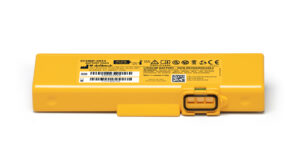
OEM Part # DCF-2013 / DBP-2013 (Genuine Defibtech)
Aviation Certified: Fully FAA TSO-C142 Compliant.
Lifespan: 4-Year Installed Standby Life.
Compatibility: Fits Defibtech Lifeline VIEW, ECG & PRO ONLY.
Warning: Will NOT fit the original yellow Lifeline AED.
🛡️ Authorized Defibtech Distributor
✈️ FAA Approved
⚕️ FDA Cleared

The Only AED That Actually Helps You During CPR
The ZOLL AED Plus features exclusive Real CPR Help® technology, providing real-time feedback on the depth and rate of chest compressions. It is the most durable and cost-effective AED on the market for long-term ownership.
✅ Free Shipping Included
✅ 5-Year ...
$198.99
Buy Now
-23%

Save $40+ and stop the beeping. This is a complete set of 10 Genuine Duracell Ultra Lithium batteries for the Zoll AED Plus.
Compatibility: Zoll AED Plus & AED Pro
Replaces: Part # 8000-0807-01
Life: 5 Years (Installed)
Includes: 10x Duracell 123A Lithium Batteries
Shipping: ✅ Fast & FREE
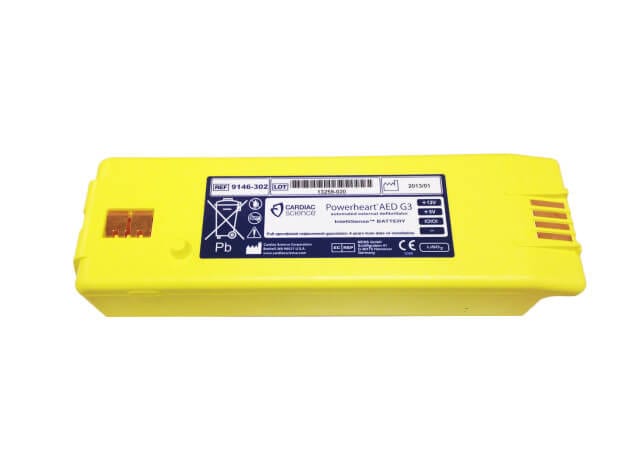
New OEM Powerheart AED G3 Battery
Authorized Powerheart Distributor
4 Year Manufacturer Warranty
Free Shipping
$469.99
Buy Now
-20%
Condition: New OEM Cardiac Science Replacement Battery (REF 9146-302)
Warranty: 4-Year Manufacturer Operational Warranty
Compatibility: Powerheart G3 AED models manufactured after April 12, 2004
Chemistry: Non-rechargeable Lithium Sulfur Dioxide (Li-SO2)
-60%

📦 IN STOCK & SHIPS FREE
Premium FDA-Cleared Powerheart G3 AED Battery Replacement.
Restore your AED's Rescue Ready® status safely and affordably. This premium recelled battery is meticulously rebuilt in the USA using brand new, medical-grade lithium cells. It matches OEM performance at a fraction of the cost, ensuring reliable power ...
- 1
- 2
Showing 1–9 of 17 results
Batteries for AED: How to Choose the Right Replacement at AEDLand
Overview: Finding the Right AED Battery Fast
Automated External Defibrillators (AEDs) require specialized power sources for reliability, and this page covers every replacement battery we carry for Philips HeartStart, ZOLL AED, Cardiac Science Powerheart, Defibtech Lifeline, HeartSine Samaritan, and Stryker/LIFEPAK models. AEDLand sells only genuine OEM aed batteries with free shipping, supporting schools, businesses, churches, and homes. The fastest way to find the right battery is to match it to the exact AED model printed on your device’s front label or data plate; from there, the sections below explain battery types, the specs that matter (standby life, chemistry, compatibility), and when to replace.
Types of AED Batteries
AED batteries differ by brand, chemistry, and form factor. Some are stand-alone packs, others combine the battery with electrode pads in a single cartridge. Choosing the correct type determines whether your device stays within warranty and ready to deliver therapy.
Brand-Specific OEM Battery Packs
Most modern AEDs use a proprietary battery pack designed for one AED series. The Philips HeartStart OnSite M5070A, the Cardiac Science Powerheart G3 battery 9146-302, and the LIFEPAK 1000 LiMnO₂ battery are each engineered to fit a single product line. AED batteries are not interchangeable even among different generations of the same brand; a Powerheart G3 battery will not work in a Powerheart G5, and vice versa. The battery type used in AEDs is determined primarily by its manufacturer and model. Facility managers should always verify the exact part number before ordering to maintain FDA and manufacturer compliance. The FDA recommends using approved, compatible accessories for AEDs, and AEDLand product pages list every compatible model for each battery we sell.
Non-Rechargeable Lithium AED Batteries
Primary (non-rechargeable) lithium batteries are the standard power source in public-access AEDs. Lithium primary batteries are commonly used in AEDs for their long standby life; the dominant chemistry is lithium manganese dioxide (LiMnO₂), found in the LIFEPAK 1000, Philips HeartStart OnSite/FRx, Defibtech Lifeline, and HeartSine PAD-Pak units. The Philips HeartStart OnSite battery is a non-rechargeable lithium battery rated at 9 V and 4.2 Ah, delivering at least 200 shocks or 4 hours of operating time.
AED batteries provide a standby life of 2 to 7 years depending on the model. AED batteries have a 4 to 5-year standby life across most common models: the Philips OnSite M5070A is rated for about 4 years installed; Defibtech’s standard DBP-1400 pack provides about 5 years of standby. Lifeline AED battery packs have a 4-year standby life and provide 125 shocks or 8 hours of use. The LIFEPAK 1000 non-rechargeable pack delivers approximately 440 shocks at 200 J or about 17 hours of operating time, with a 5-year standby life once installed. Lithium battery packs offer high energy density and stability for AEDs, and the sealed, maintenance-free design of non-rechargeable packs makes replacement intervals predictable for safety officers and administrators.
Rechargeable AED and Professional Defibrillator Batteries
Rechargeable lithium-ion batteries appear in professional defibrillators and certain AED models: Philips Tempus LS packs, LIFEPAK 15/20e batteries, and ZOLL SurePower systems. These are built for EMS, hospitals, and fire departments where a device may be used multiple times per shift and can be docked in a charger station between calls. The LIFEPAK 1000’s rechargeable option (Li-ion, 11.1 V, 4.8 Ah) delivers approximately 261 shocks after a full charge, with a recharge time of about 4.5 hours. The tradeoff is a shorter standby window: this rechargeable pack must be recharged or retested every 6 months, compared to 5 years for the non-rechargeable version. Regular charging cycles using the manufacturer’s approved charger and periodic capacity testing are required to keep these packs service-ready.
Combined Pad-and-Battery Cartridges (PAD-PAKs, CPR D Padz, and Similar)
AEDs often integrate the battery with the electrode cartridge for streamlined maintenance. The HeartSine Samaritan Adult PAD-PAK-01 bundles battery and pads in a single unit with one expiration date, so safety officers track one date instead of two. This design works well for rural clinics, churches, and small businesses with limited administrative resources. The HeartSine PAD-PAK-07 aviation version carries TSO-C142a certification for FAA-compliant aircraft carriage, delivering approximately 60 shocks at 200 J or 6 hours of monitoring when new. AED pads typically expire every 2 to 5 years, and because the PAD-PAK bundles both components, replacing one automatically replaces the other.
AEDs Using Consumer-Format Cells
Some AED models utilize consumer-style lithium cells rather than proprietary packs. The ZOLL AED Plus uses ten Type 123 lithium batteries (CR123A format). Even with consumer cells, AEDLand recommends the specific brands approved by the manufacturer; the Duracell set of 10 for ZOLL AED Plus is the OEM-authorized quantity and brand. The advantage is lower replacement cost and easy sourcing. The constraint: all ten cells must be replaced together as a complete set, and mixing brands or replacing cells one at a time can cause unequal discharge and unreliable performance.
What to Look For in AED Batteries
Before ordering replacement batteries, safety managers should verify a handful of practical specs. Each factor below takes a few minutes to check and can prevent a failed device during an emergency.
Exact AED Compatibility and Part Numbers
AED batteries are model-specific and cannot be interchanged across different brands. Start by confirming the AED make, model, and generation: a Powerheart G3 requires battery 9146-302, while the Powerheart G5 uses battery XBTAED001A. Check the manufacturer part number against the battery listing. Replacement intervals for AED batteries depend on the specific model and manufacturer regulations, so mismatching a battery to the wrong AED generation can leave the device inoperable or void its warranty.
Battery Life: Shelf Life vs. Standby Life
Shelf life is how long a battery retains capacity while stored in its original packaging (up to 10 years for some lithium cells like Duracell 123). Standby life is the rated duration once installed in an AED performing automatic self-tests. AED batteries have varying expiration dates and shelf lives based on usage conditions.
Concrete examples: ZOLL AED Plus batteries last for 5 years in standby mode. The Philips OnSite M5070A has about 4 years of standby life once installed, with a shelf life of at least 5 years from manufacture. HeartSine PAD-PAKs carry approximately 4 years from manufacture. Check manufacturing and expiration dates for AED batteries to maximize operational windows, and track the installation date with a label or digital reminder, especially in schools and OSHA-regulated workplaces.
Event Capacity and High-Use Environments
Event capacity describes the approximate number of shocks or hours of monitoring a battery can deliver. The Defibtech DBP-2800 high-capacity pack provides about 300 shocks or 16 hours of continuous monitoring. The ZOLL SurePower rechargeable pack delivers approximately 400 shocks at 200 J or 19 hours of ECG monitoring when fully charged. EMS and fire services should weigh event capacity and recharge turnaround time, while offices and churches primarily need long standby life. High-use settings should keep at least one spare, fully charged battery on site.
Operating Conditions: Temperature and Environment
Extreme temperatures shorten battery performance. The LIFEPAK 1000 non-rechargeable battery delivers about 440 shocks at room temperature but drops to approximately 370 shocks at 0 °C. ZOLL AED Plus cells are rated for operation between 0 °C and 50 °C (32 °F to 122 °F). Outdoor wall cabinets, unheated barns, vehicles, and athletic fields all present temperature risks. For AEDs installed outside the manufacturer’s recommended range, consider heated outdoor cabinets with alarms.
Regulatory and Warranty Considerations
Using OEM parts for AEDs ensures regulatory compliance and device reliability during use. Many AED warranties and state AED programs require OEM batteries. Using non-approved batteries can damage the AED or void its warranty, and if a device fails during an event, post-incident review will examine whether approved accessories were installed. AED batteries should be purchased from authorized retailers to guarantee performance and safety. AEDLand supplies only manufacturer-approved batteries to keep every device compliant and insurable.
Total Cost of Ownership
Look beyond sticker price. A battery with a 5-year standby life at $300 costs $60 per year; a $200 pack that lasts only 2 years costs $100 per year. The Defibtech Lifeline DBP-2800 has a 7-year standby life, making it one of the lowest cost-per-year options available. AEDLand’s free shipping and multi-unit ordering lower per-unit costs for organizations equipping multiple buildings or campuses.
How to Choose the Right Battery for Your AED
These decision criteria turn the specs above into a quick checklist for safety managers, school administrators, and homeowners.
- Your AED Brand and Model – Identify the exact AED printed on the front label or data plate (e.g., “Philips HeartStart FRx” or “ZOLL AED Plus”), then select the matching OEM battery. A depleted AED battery can prevent the device from delivering required therapy in emergencies, so confirming compatibility is the first step.
- Where the AED Is Installed – For outdoor cabinets, vehicles, and gymnasiums, prioritize batteries with documented cold/heat tolerance. Check the manufacturer’s operating temperature range and consider cabinets with alarms or heaters for locations that drop below 0 °C or exceed 50 °C.
- Expected Usage Level – Select long-standby non-rechargeable packs for low-use sites (offices, churches), and higher-capacity rechargeable systems for EMS or clinical teams who defibrillate frequently. Some AEDs require both a main battery and an auxiliary battery for functions like indicators; verify the full power setup for your model.
- Replacement Schedule and Compliance – Align battery purchase quantity with inspection schedules (annual safety checks, state AED registry requirements). Regular self-tests are required for AEDs to ensure readiness, and buying enough batteries to standardize replacement dates across a campus simplifies compliance tracking.
- Budget and Lifecycle Cost – Compare cost per year of service, not just purchase price. Factor in free shipping from AEDLand and potential discounts when equipping multiple buildings.
- Integration with Pads and Accessories – For systems like HeartSine PAD-PAKs or ZOLL AED Plus (batteries + CPR-D padz), plan to replace batteries and pads on the same schedule. ZOLL Adult CPR-D Padz are priced at $237.00, OnSite Adult Smart Pads cost $99.00, OnSite Infant/Child Smart Pads cost $139.00, FRx Adult Smart Pads II are priced at $89.00, Lifeline Adult Pads are available for $77.40, and Powerheart G5 Adult Pads cost $88.00. Bundling pad and battery orders reduces shipping trips and ensures nothing expires unnoticed.
Battery Maintenance and Replacement Best Practices
Keeping AED batteries ready takes minimal effort if you follow a consistent routine. Below is a practical checklist for busy facility managers.
Routine Readiness Checks
Check the AED status indicator (green/OK vs. red/X) weekly or monthly depending on your facility’s policy, and log each check in a simple inspection sheet or digital system. Investigate any warning beeps or status lights immediately; these typically indicate a low battery or expired pads. Designate a responsible person at each location (school nurse, office manager, safety officer) to own AED checks.
When to Replace AED Replacement Batteries
Primary triggers for replacement: the battery expiration date is reached, the low-battery indicator activates, the device was used in a cardiac arrest event with multiple shocks or extended monitoring, or the manufacturer’s years-in-service recommendation has elapsed. Proactive replacement 30 to 60 days before expiry is recommended for critical facilities like schools, airports, and manufacturing plants. After use in a real emergency, many manufacturers advise replacing the battery even if the status light returns to “OK.”
Storage, Installation, and Disposal
Store spare AED batteries in their original packaging in a cool, dry place within the manufacturer’s recommended temperature range. During installation, follow the AED’s user manual: lock the pack fully into position and wait for the device to run its self-test and display a ready light. For disposal, lithium batteries must be recycled through medical or electronic waste channels in line with local regulations; do not place them in household trash.
Coordinating Batteries with Pads and Compliance Programs
Aligning pad and battery replacement dates reduces administrative burden. For example, the ZOLL AED Plus battery pack has a 5-year standby life, and CPR-D padz also carry a 5-year expiration, so both can be replaced on the same cycle. AEDLand can help multi-site customers build a replacement calendar and ship pads and batteries together for each model. Up-to-date batteries and pads support compliance with state laws, Good Samaritan protections, and workplace safety audits.
Frequently Asked Questions About AED Batteries
How long do AED batteries typically last?
AED batteries have a 4 to 5-year standby life across most common models. ZOLL AED Plus batteries last for 5 years in standby mode. Lifeline AED batteries have a standby life of 4 years. The Philips OnSite M5070A provides about 4 years of standby life once installed. Defibtech’s high-capacity DBP-2800 reaches approximately 7 years. High-use EMS and clinical devices may need more frequent replacement due to heavier load, even if the calendar life has not elapsed. Always check the date printed on the battery and the AED manual for model-specific guidance.
Can I use generic or off-brand batteries in my AED?
AED manufacturers require OEM batteries or specific approved cells (e.g., ZOLL AED Plus with Duracell Type 123) to ensure performance and keep the device within warranty. Using unapproved or generic batteries can cause device failure, void warranties, and create liability problems during post-event investigation. Using non-approved batteries can damage the AED or void its warranty. AEDLand sells only manufacturer-approved batteries matched to each AED model.
How do I know which battery fits my AED model?
Look at your AED’s front label and back data plate for the exact model name, and sometimes the serial number or series designation (e.g., “Powerheart G5,” “Defibtech Lifeline View,” “LIFEPAK CR2”). AEDLand’s product pages list compatible models, and you can filter or search by brand and model name. If you are still unsure, contact AEDLand support with a photo of your AED.
How often should AED batteries be checked or tested?
Modern AEDs perform automatic self-tests daily or weekly and display a status light or emit an audible chirp if there is a problem. Visually check the status indicator at least monthly (or per your facility policy) and after any power outage, relocation, or event. Some professional defibrillator batteries can be capacity-tested using manufacturer analyzers or charger stations, such as the ZOLL SurePower test functions.
What happens to my AED if the battery is low or expired?
A device with a depleted battery typically emits warning chirps, shows a red “X” or “Service” light, and may display an on-screen low-battery message. Some models disable shock delivery to prevent an underpowered attempt. An AED with a low-battery indicator should be considered out of service until the battery is replaced and the unit passes its self-test. Order a replacement through AEDLand immediately to minimize downtime.
Should I replace the battery after using the AED in an emergency?
Many manufacturers recommend replacing the battery after a cardiac arrest event, especially if multiple shocks or extended monitoring occurred. Check the post-event guidelines in your AED’s user manual for model-specific instructions. Replace pads at the same time, and order both together from AEDLand to keep the device fully stocked for its next use.
Stay Ready with Genuine AED Batteries from AEDLand
The right OEM battery, installed on schedule and checked regularly, is what keeps an AED functional when sudden cardiac arrest occurs. Locate your AED brand and model, then browse AEDLand’s curated selection of compatible batteries and matching pads with free shipping. AEDLand’s team can help safety officers build a maintenance plan for multi-site organizations, rural communities, and schools so every device stays rescue-ready.