
Currently Empty: $0.00

December 29, 2024
0 Comments
Understanding Sudden Cardiac Arrest Symptoms and Risks
Sudden Cardiac Arrest (SCA) is a life-threatening emergency that can strike anyone, anywhere, and at any time. It occurs when the heart suddenly stops beating, leading to a loss of blood flow to the brain and other vital organs.
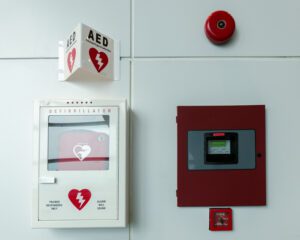
by Kelly Sikkema (https://unsplash.com/@kellysikkema)
Understanding the symptoms and risks associated with SCA is crucial. It can mean the difference between life and death, especially in the workplace where quick response is often possible.
This article aims to provide a comprehensive guide on SCA. It will differentiate it from a heart attack, another critical cardiac event often confused with SCA.
We will also delve into the importance of Automated External Defibrillators (AEDs), such as the Philips HeartStart AED Defibrillator. These devices can significantly increase survival rates if used promptly during an SCA episode.
Lastly, we will discuss how to implement effective SCA response strategies in the workplace. This knowledge is vital for safety managers, HR directors, and CEOs who are committed to creating a safe and healthy work environment.
What is Sudden Cardiac Arrest (SCA)?
Sudden Cardiac Arrest (SCA) is a serious and sudden medical emergency. It occurs when the heart unexpectedly stops beating. This immediate cessation of the heart’s activity halts blood flow to the brain and other vital organs.
SCA strikes without warning and can lead to death if not treated quickly. It is distinct from a heart attack, although a heart attack may trigger it. During SCA, the heart’s electrical system malfunctions, causing an irregular heartbeat (arrhythmia).
Effective and immediate response is vital for survival. Cardiopulmonary resuscitation (CPR) and defibrillation within minutes can dramatically increase the chances of survival, highlighting the urgency of recognizing SCA.
The Difference Between SCA and Heart Attacks
Understanding the difference between SCA and a heart attack is crucial. While both involve the heart, they differ in cause and effect. SCA is caused by an electrical problem in the heart, leading to the heart stopping suddenly.
On the other hand, a heart attack occurs when blood flow to the heart is blocked. This blockage is usually due to clogged arteries. Though a heart attack can sometimes result in SCA, they are distinct conditions.
Recognizing this difference is important for timely intervention. Proper response can prevent fatal outcomes. Knowing these nuances can save lives in emergencies.
Recognizing the Symptoms of SCA
Identifying the symptoms of Sudden Cardiac Arrest (SCA) promptly is vital. SCA often strikes without warning, making awareness crucial.
Typical symptoms include the sudden collapse of the victim. You may notice the person is unresponsive. Without immediate help, the situation can escalate rapidly.
During an SCA event, the heart stops pumping blood effectively. This results in no detectable pulse. The absence of a pulse indicates a critical emergency.
Breathing usually ceases or becomes abnormal in SCA cases. Gasping or total cessation is common. Immediate cardiopulmonary resuscitation (CPR) is essential.
Here’s a quick list of SCA symptoms to watch for:
- Sudden collapse
- Absence of pulse
- No breathing or abnormal breathing
- Loss of consciousness
These signs need urgent medical attention. Recognizing them promptly can make a significant difference in outcomes.
Risk Factors for Sudden Cardiac Arrest
Several factors can increase the likelihood of Sudden Cardiac Arrest (SCA). Understanding these can aid in prevention. Awareness of these risks is crucial for safety managers and HR directors.
Certain medical conditions can elevate SCA risk. Prior heart disease or heart attacks are significant contributors. Family history also plays a role in susceptibility.
Lifestyle habits significantly influence SCA risk levels. Smoking, high blood pressure, and high cholesterol are key factors. These can be mitigated through conscious changes.
Here are common risk factors for SCA:
- Previous heart attack or heart disease
- Family history of SCA
- Smoking habits
- High blood pressure and cholesterol
Addressing these factors can help reduce the risk of SCA. Promoting healthy lifestyles in the workplace benefits everyone.
The Critical Role of Defibrillators in SCA
Defibrillators are vital tools in the fight against Sudden Cardiac Arrest (SCA). They work by delivering an electric shock to the heart. This shock can restore normal rhythm, crucial for survival.
Time is of the essence when SCA occurs. Each minute without defibrillation decreases survival chances by up to 10%. Having a defibrillator on-site is more than a precaution—it saves lives.
Workplace defibrillators should be easy to access, We suggest you should have access to an AED in 3 minutes. This increases the likelihood of timely use. Clear signage is essential to guide individuals during emergencies.
Training employees to use defibrillators ensures they are ready to respond. Regular drills boost confidence and competence. These efforts can make a life-saving difference.
Incorporating defibrillators into safety plans is a smart investment. The ability to act quickly can prevent tragic outcomes. Organizations must prioritize this essential equipment.
Top Rated Defibrillators: A Lifesaving Tool
The Philips HeartStart Home AED Defibrillator exemplifies life-saving technology. It is designed for simplicity and ease of use. This ensures that even untrained users can operate it in emergencies.
Clear voice instructions guide users through each step. This feature reduces hesitation and ensures accurate defibrillator application. Users can focus on the task, not the device.
Workplaces equipped with the Philips HeartStart are prepared for SCA emergencies. It offers peace of mind to employees and management alike. Investing in such devices supports a safety-conscious environment. The Philips defibrillator is a critical peice of equipment but does require monthly inspections of the M5070A battery and the Philips M5071A replacement pads.
The Defibtech Lifeline AED is an automated external defibrillator designed to provide quick and efficient treatment for sudden cardiac arrest. Known for its user-friendly design, this AED device is suitable for both trained professionals and laypersons, making it a popular choice for public spaces, schools, and businesses. Like the Philips Heartstart defibrillator the defibtech also requires monthly inspections of the dbp 1400 battery pack and .
Implementing SCA Response in the Workplace
A well-planned response strategy is key to managing Sudden Cardiac Arrest (SCA) in workplaces. It starts with having a clear emergency action plan. This ensures swift and effective responses during emergencies.
The action plan should detail who performs specific tasks during SCA incidents. Responsibilities include calling emergency services and performing CPR. Defining these roles reduces chaos and boosts efficiency.
Having Automated External Defibrillators (AEDs) is vital. Their presence can vastly improve survival chances. Placement in accessible locations encourages prompt defibrillator use. Annual review or a change in the workplace is a great time to update your Emergency Action Plan and keep it relevant.
Training Employees and Conducting Drills
Equipping employees with knowledge and skills is crucial. Comprehensive training programs teach them how to identify SCA symptoms.
Drills reinforce learned skills and maintain readiness. Conduct them regularly, simulating real-life scenarios. This approach prepares employees for genuine emergencies.
Including SCA response protocols in safety training is essential. It deepens employees’ understanding of handling these situations. A well-prepared staff can make a life-saving difference when it matters most.
Creating a Culture of Safety and Preparedness
Fostering a culture of safety is a strategic goal. Encourage openness about health concerns. This atmosphere builds trust and emphasizes collective responsibility.
Safety managers should emphasize preparedness as a shared duty. It inspires proactive engagement from all employees and creates a safer, more supportive workplace.
Legal Considerations and Good Samaritan Laws
Understanding legal aspects is crucial in emergency situations involving Sudden Cardiac Arrest (SCA). Good Samaritan Laws often offer protection for those who assist during these crises.
These laws encourage people to act without fear of legal repercussions. Knowing legal protections can empower more employees to respond confidently to SCA incidents.
The Cost-Benefit Analysis of AEDs in the Workplace
Investing in AEDs presents significant benefits compared to costs. The primary advantage is the potential to save lives during sudden cardiac arrests. While the initial expense may seem daunting, the financial impact of saving a life far outweighs the expenditure.
Additionally, AEDs in the workplace can reduce legal risks and demonstrate a commitment to employee safety. Moreover, fostering a secure environment can enhance employee morale and productivity, making it a wise business decision.
Conclusion: The Importance of SCA Awareness and Preparedness
Sudden cardiac arrest can occur without warning, highlighting the need for awareness and preparation. By recognizing symptoms and implementing response strategies, the workplace can mitigate risks effectively.
Promoting an environment that prioritizes safety through training and equipment is crucial. This approach not only safeguards lives but also reinforces organizational reliability.