
Currently Empty: $0.00
February 14, 2026
0 Comments
Why Do AED Pads Expire If They Are Never Used?
It is the most common frustration we hear from AED owners:
“My AED has been sitting in its cabinet for two years. We never opened the package. Why is the machine beeping and telling me the pads are expired?”
It feels like a waste of money to throw away brand-new, sealed medical equipment. But when it comes to Automated External Defibrillators (AEDs), that expiration date is not just a suggestion—it is a critical safety standard.
Here is exactly why AED pads expire, how long they really last, and what happens if you try to use an expired set.
The Science: Why Do AED Pads Expire?
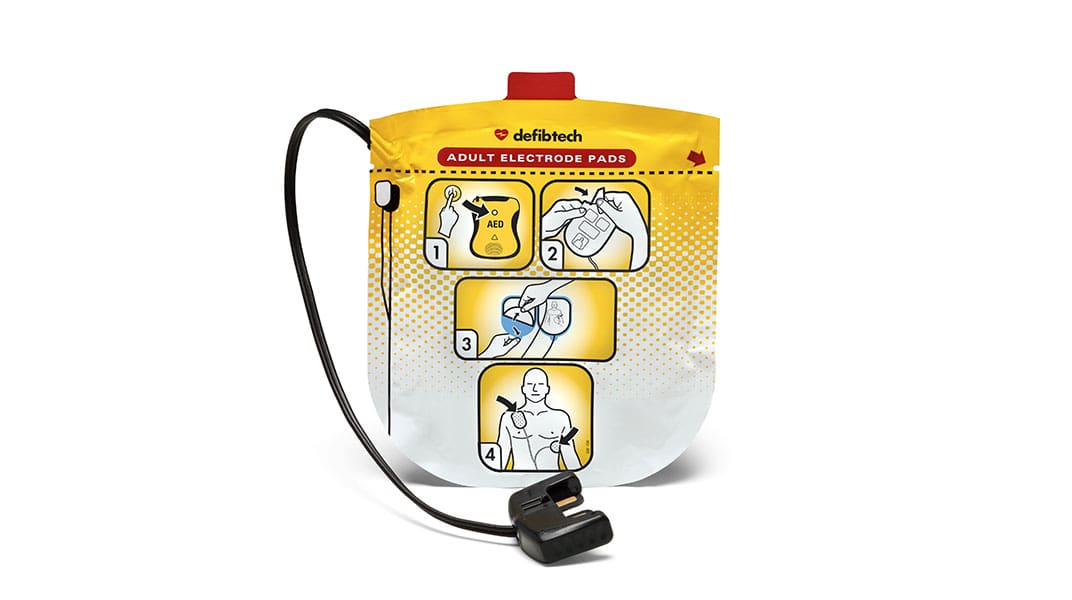
AED pads (electrodes) aren’t just sticky stickers. They are sophisticated sensors designed to conduct electricity through the human chest.
The “sticky” part of the pad is made of a conductive hydrogel. This gel is water-based. Over time, even inside a sealed foil packet, the water in that gel slowly evaporates.
-
Fresh Pads: The gel is wet, sticky, and conductive. It adheres tightly to the skin and allows the electrical shock to pass through to the heart efficiently.
-
Expired Pads: The gel becomes dry, brittle, and loses its adhesiveness.
Think of it like a bottle of water left in a hot car for two years. Even if the cap is sealed, some water eventually escapes. The same chemistry applies to your pads.
What Happens If You Use Expired Pads?
Using expired pads is dangerous for two reasons:
-
They Won’t Stick: In an emergency, the patient might be sweaty or have chest hair. If the gel has dried out, the pads may fall off the chest during CPR. If the pads aren’t touching the skin, the AED cannot analyze the heart rhythm or deliver a shock.
-
Electrical Burns: If the pad is dry but you manage to hold it down, the electricity cannot flow evenly. This can cause “arcing” (sparks) on the skin, leaving severe chemical or electrical burns on the patient’s chest, while failing to deliver the full lifesaving dose of energy to the heart.
Cheat Sheet: How Long Do Your Pads Last?
Every manufacturer uses a different chemical formula for their gel, meaning expiration dates vary by brand. Find your model below to see if you are overdue for a replacement:
| AED Model | Pad Lifespan (Typical) | Buy Replacement |
| Defibtech Lifeline / Auto | 2 Years | Shop Defibtech AED Pads → |
| Defibtech Lifeline VIEW | 2 Years | Shop VIEW AED Pads → |
| Philips HeartStart OnSite | 2 Years | Shop Philips HeartStart AED Pads → |
| Zoll AED Plus (CPR-D) | 5 Years | Shop Zoll AED Pads → |
| Cardiac Science Powerheart G5 | 2 Years | Shop Cardiac Science AED Pads → |
| Physio-Control LIFEPAK CR2 | 4 Years | Shop Physio-Control AED Pads → |
Note: Always check the specific date printed on your package. The clock starts ticking when they are manufactured, not when you buy them.
Where to Find the Expiration Date
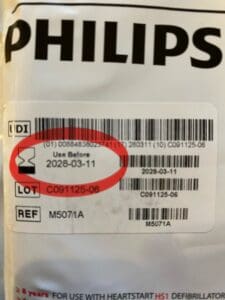
You usually don’t need to open the foil packet to find the date. Look for the Hourglass Symbol on the outside of the package.
-
The date next to the hourglass is the Expiration Date (Use by…).
-
Do not confuse this with the “Date of Manufacture” (usually indicated by a factory symbol).
The Bottom Line
An AED is an insurance policy you hope you never have to use. But if that day comes, you need it to work perfectly. Trying to save $50 by stretching the life of your pads could cost a life during a rescue.
Is your AED beeping? Don’t risk a liability.
We carry fresh, manufacturer-certified pads for every major AED brand. Guaranteed lowest prices and free shipping.
Estimated reading time: 4 minutes