
Currently Empty: $0.00
December 23, 2024
0 Comments
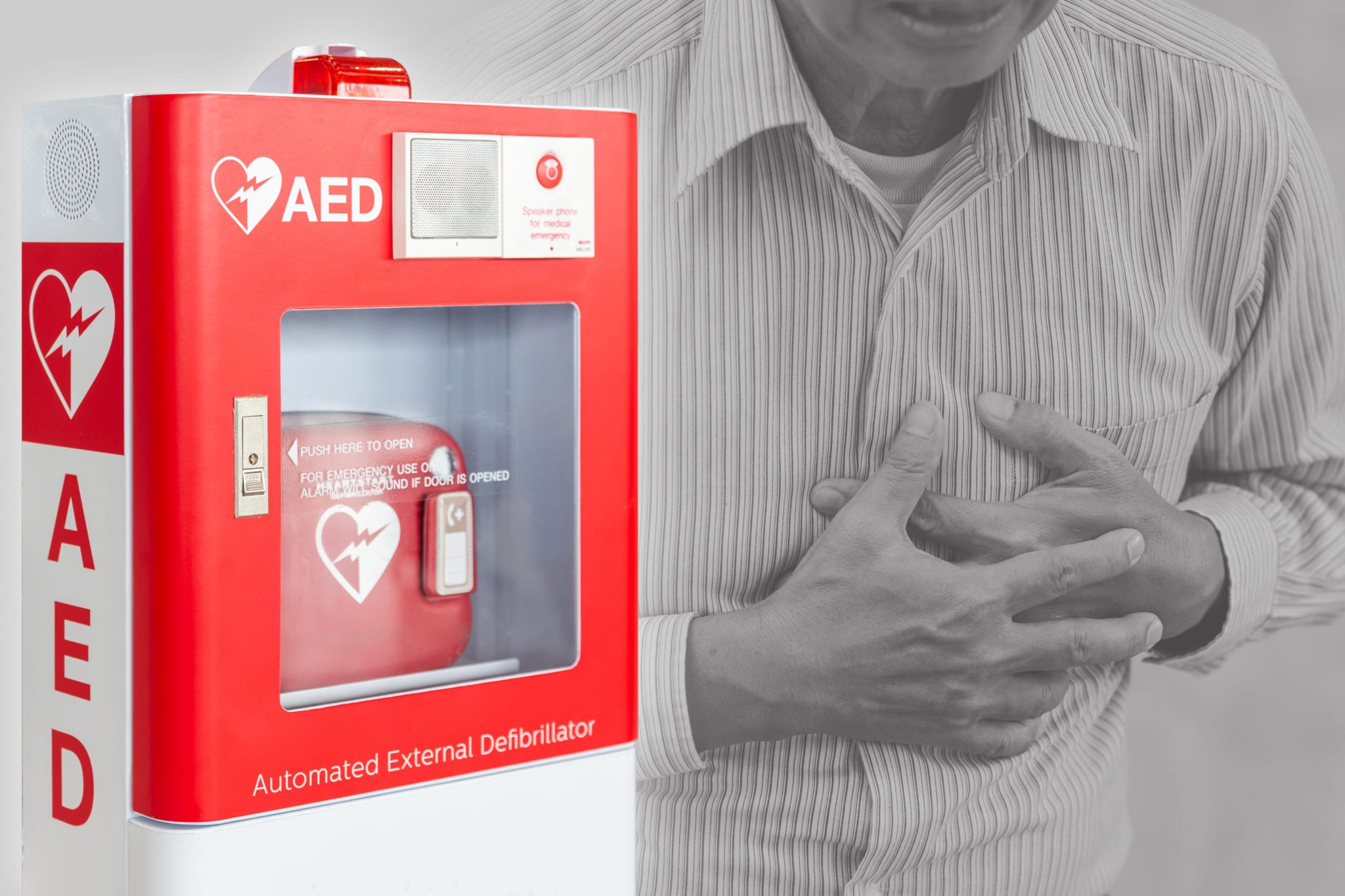
When it comes to life-saving devices, an Automated External Defibrillator (AED) is a crucial piece of equipment. It’s a device that can make the difference between life and death during a sudden cardiac arrest.
But how do you choose the best AED for your specific needs? Whether you’re looking for an AED for home use, a portable AED for on-the-go emergencies, or a device for a public space, there are many factors to consider.
This guide aims to provide you with comprehensive information on AEDs. We’ll delve into the key features to look for, the top brands and models, and the legal and training considerations associated with AED use.
We’ll also discuss cost and maintenance factors, and where to buy an AED. By the end of this guide, you’ll be well-equipped to make an informed decision on the best AED for your needs.
Let’s get started on this essential journey to enhance safety and preparedness.
Understanding AEDs and Their Importance
AEDs are portable devices designed to treat sudden cardiac arrest (SCA) by delivering an electric shock. This shock can restart a heart with an erratic rhythm, restoring a normal beat. AEDs are essential tools in the fight against SCA, significantly improving survival rates when used promptly.
These devices are designed for public use, meaning anyone can operate them with minimal training. Clear instructions and voice prompts guide users through the process, making AEDs accessible for use in emergencies by anyone.
Here’s why AEDs are important:
- Quick response: Every minute that passes without intervention decreases survival rates.
- Ease of use: Designed for use by non-professionals.
- Widely available: Found in many public areas today.
The presence of AEDs is becoming more common as awareness of their effectiveness grows. Schools, airports, and gyms are among the venues increasing their accessibility to these lifesaving devices.
In addition to AEDs, CPR (Cardiopulmonary Resuscitation) is vital in emergencies. Together, they form a powerful team to combat SCA and can significantly improve outcomes. Utilizing an AED as part of a larger emergency plan is crucial for public safety and peace of mind.
AEDs for Home Use: What You Need to Know
Owning an AED at home can offer peace of mind, especially for families with heart disease concerns. It allows immediate action during an emergency, bridging the gap before professional help arrives. While public AEDs are more common, having one at home ensures prompt access.
When choosing an AED for home use, simplicity is key. Opt for models with intuitive designs and clear instructions. This ensures that you can confidently operate the device even under stress.
Consider the size and portability of the AED. Smaller, lightweight models are easier to store and handle, making them ideal for the home environment. These features enhance accessibility, ensuring the device is rescue-ready at a moment’s notice.
Battery life is another crucial factor. Select an AED with a long-lasting battery and straightforward replacement process. This minimizes the maintenance required and guarantees the device is always operational.
AEDs designed for home use often include pediatric pads or settings. These allow the device to be used on children safely, addressing diverse family needs. Such features enhance the versatility of home AEDs, making them a valuable investment.
Finally, ensure your AED is certified by relevant health authorities. Certification provides assurance of the device’s efficacy and quality, offering added confidence in its reliability during emergencies.
Portable AEDs: Lifesaving Technology on the Go
Portable AEDs have transformed emergency response, offering mobility and convenience. Their compact design ensures they can be carried effortlessly to any location. This mobility is crucial in situations where every second counts.
Many portable AEDs come with a durable case for protection. This feature guards against environmental damage, ensuring the device functions correctly when needed. Rugged casings are ideal for outdoor and active settings.
Choosing a portable AED means considering the ease of transporting it. Some models include straps or handles for easier carrying. These added features facilitate rapid deployment in diverse environments.
Advanced portable AEDs often incorporate real-time feedback. This technology guides the user through the resuscitation process, improving effectiveness. Real-time instructions can boost confidence in using the device, even for those with minimal training.
Battery lifespan is also a key concern for portable AEDs. Opt for a model with a long-lasting battery and a reliable low-battery alert system. This ensures the AED will remain operational and ready for unexpected emergencies.
Finally, verify that the portable AED is approved by health authorities. This certification endorses its safety and reliability, assuring you of its performance during critical moments.
Key Features to Look for in the Best AED
When selecting the best AED, several key features should guide your decision. These features ensure the AED is both effective and user-friendly. Prioritizing these aspects can make a life-saving difference.
One important feature is ease of use. Many AEDs are designed with straightforward instructions and voice prompts. This guidance helps even untrained users administer aid quickly.
Another critical feature is clear, audible voice prompts. These instructions should be loud enough to hear in noisy environments. Clarity in guidance can help calm users in stressful situations.
AEDs with a quick shock delivery system improve outcomes. The faster the defibrillation occurs, the better the chance of survival. Seek models with rapid charge times for optimal readiness.
Consider AEDs with automatic self-check systems. These regular diagnostics ensure the device is always functional. Self-checks reduce the risk of device failure during emergencies.
Portability is another crucial factor, particularly for workplaces and travel. Some AEDs are lightweight and include carry cases. This portability allows for easy transport and accessibility.
A feature-rich AED often includes a robust battery life. A long-lasting battery minimizes maintenance needs and ensures availability. Additionally, consider models with a simple battery replacement process.
Visual indicators on the AED are vital for user interaction. Lights or screen prompts can guide through the resuscitation steps. These visual aids are especially helpful in chaotic conditions.
AEDs that offer pediatric settings or pads add versatility. Ensuring compatibility with all age groups is crucial in diverse environments. Look for models that easily adapt for use on children.
Finally, AEDs with real-time feedback mechanisms are invaluable. They provide immediate analysis and instructions on CPR quality. This feedback enhances user performance during the resuscitation process.
A comprehensive AED selection checklist should include:
- Ease of use
- Clear voice prompts
- Quick shock delivery
- Self-check systems
- Portability
- Long battery life
- Visual indicators
- Pediatric settings
- Real-time feedback
Top AED Brands and Models on the Market
When looking for the best AED, exploring the top brands and models is crucial. Renowned manufacturers often provide reliable and feature-rich AEDs that enhance safety.
Zoll is a reputable name in the AED market. Their AEDs, like the Zoll AED Plus, offer real-time CPR feedback. This model ensures high-quality resuscitation with its precise guidance.
Philips is another leading brand, known for user-friendly devices. The Philips HeartStart series is popular for its intuitive interface. Users benefit from its straightforward operation during emergencies.
Physio-Control, now part of Stryker, provides robust AED solutions. The Lifepak series is widely used in both professional and public settings. Its durability and clear instructions make it a favored choice.
Cardiac Science offers the Powerheart AED series. These devices stand out for their advanced self-check capabilities. Regular diagnostics ensure the AED remains in optimal working condition.
Defibtech models are recognized for their innovation and affordability. The Defibtech Lifeline AED is celebrated for its design. These AEDs are compact, making them suitable for various environments.
HeartSine is another brand that offers reliable AEDs. The Samaritan PAD line is admired for its lightweight design. It’s ideal for those needing a portable and accessible AED option.
The presence of additional features sets these brands apart. Some models offer bilingual instructions, expanding usability. Others integrate advanced technology like Bluetooth connectivity.
Both public settings and home environments benefit from these top brands. They provide the reliability and efficiency required in emergencies. Researching each model helps match features to specific needs.
Overall, top AED brands combine quality, innovation, and ease of use. Their devices enhance public safety with timely and effective assistance. Choosing from these brands is a smart investment in lifesaving equipment.
Legal Considerations and Training for AED Use
Understanding legal aspects of AED use is vital before purchasing one. Different regions have various laws and regulations. Compliance can impact the accessibility and effectiveness of an AED.
Many areas require AEDs in public spaces due to legislation. Knowing the specific mandates in your region is crucial. Adherence ensures both safety and legal protection.
Moreover, training plays a significant role in AED effectiveness. Proper use can significantly boost survival rates in cardiac emergencies. Many manufacturers offer training resources to aid users.
State laws often outline Good Samaritan protections for AED users. These laws protect individuals acting in good faith during emergencies. Familiarizing yourself with them can alleviate concerns about liability.
Regular AED training refreshers are essential for maintaining skills. Even with an intuitive AED, preparedness is key. Training enhances confidence and readiness in sudden cardiac arrest situations.
Cost, Maintenance, and Total Cost of Ownership
The initial purchase price of an AED can vary greatly. Prices often depend on features, brand, and accessories included. However, cost considerations don’t stop at purchase.
Maintenance is an essential part of AED ownership. Regular checks and updates ensure the device is operational during emergencies. Some costs may involve battery replacement and electrode pad renewals.
Considering the total cost of ownership is crucial. Beyond maintenance, think about training expenses and potential software upgrades. Such investments support long-term functionality and reliability.
Exploring funding options can alleviate financial burdens. Grants and community programs sometimes offer support for AED purchases. These opportunities make lifesaving technology more accessible to individuals and organizations.
Where to Buy an AED and Available Support
Purchasing an AED is a significant investment in safety. Reputable medical supply companies and specialized AED retailers often offer these devices. It’s wise to choose vendors with a strong track record in customer service.
Online platforms also provide options for buying AEDs. Websites of well-known AED brands often feature their latest models. Always ensure that the seller is verified and trustworthy.
Local healthcare organizations might also sell or facilitate AED purchases. They often offer advice on the best models for specific environments. This can be particularly helpful for first-time buyers.
After purchasing, consider the support options available. Many vendors offer training sessions and maintenance packages. Having access to expert support ensures your AED remains ready for emergencies.
Conclusion: Making the Right Choice for Safety and Preparedness
Choosing the best AED depends on several key factors. Consider the specific environment where it will be used. This ensures it meets all necessary requirements for your needs.
Focus on ease of use and reliability in emergencies. User-friendly features increase the odds of effectively saving lives during an event. A well-chosen AED can make a crucial difference.
Remember the importance of proper training alongside device readiness. It ensures that you and others are prepared to act. Practice enhances effectiveness and confidence in a real emergency situation.
Ultimately, investing in an AED is an investment in safety and community health. A well-informed decision brings peace of mind. Be proactive; ensure you have the tools to save lives when needed.